.png)

Egypt Solo Female Travel Guide 2026: Safety, Dress Code, Itinerary, Tips & Real Advice for First-Time Visitors
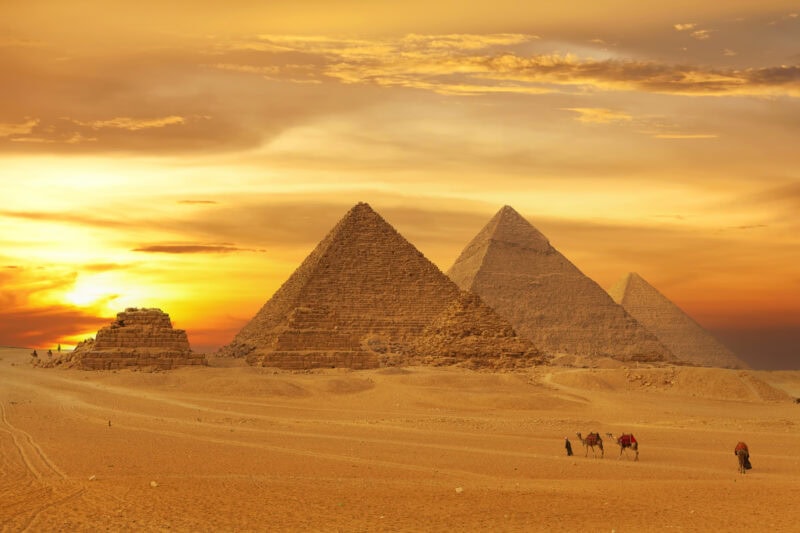
Egypt is one of those destinations that people either romanticize too much or fear too much. In reality, it is neither a flawless dream nor an automatic disaster. It is a place of staggering history, strong cultural identity, layered cities, dramatic desert scenery, beautiful mosques, Red Sea resorts, and ancient sites that feel almost unreal when seen in person. At the same time, it is also a destination that can be noisy, intense, tiring, and at times socially demanding—especially if you are traveling alone and especially if you are a woman.
That contrast is exactly why so many solo female travelers feel unsure before booking a trip to Egypt. The photos are breathtaking. The stories are mixed. One traveler says it was magical. Another says it was exhausting. Someone else says it was life-changing but not relaxing. All of those things can be true at the same time.
The good news is that a solo trip to Egypt can absolutely be done well. The key is not pretending the challenges do not exist. The key is understanding what the challenges actually look like in real life, then preparing in a way that protects your energy, confidence, and safety without making you paranoid.
1. Is Egypt Safe for Solo Female Travelers?
The balanced answer is yes, Egypt can be safe for solo female travelers, but it is not a destination where you should switch your brain off. It is better approached with active awareness rather than blind trust. For many women, the biggest issue is not violent danger on every corner. It is the accumulation of smaller stressors: persistent vendors, social pressure, uncomfortable attention, confusion around transport, fatigue, and the emotional drain of constantly needing to stay alert.
That distinction matters. A lot of first-time visitors imagine the main risk is dramatic crime. In reality, what often affects the experience more is how tiring Egypt can feel if you are unprepared for the pace and intensity of interaction. If you arrive expecting easy, low-friction solo wandering in the same style as parts of Western Europe or some Southeast Asian cities, you may feel overwhelmed. If you arrive expecting a more active, strategic travel style, the trip often becomes much more manageable.
Safety in Egypt also depends heavily on how you move. Taking reputable tours, using trusted ride apps, choosing well-reviewed accommodation, avoiding isolated nightlife situations, dressing with local context in mind, and not oversharing your location all make a real difference. This is not about fear. It is about reducing friction and making wise decisions before small issues become bigger ones.
Another important point: “safe” does not mean “comfortable in every moment.” You may be safe and still feel irritated. You may be safe and still need firmer boundaries than usual. You may be safe and still decide that some parts of Egypt are more enjoyable on a guided day trip than by independent wandering. That does not mean you failed at solo travel. It means you adapted well.
For many women, Egypt becomes most enjoyable once they stop trying to prove they can do everything the hard way. There is no prize for maximum discomfort. Smart solo travel is not about toughness. It is about protecting your experience.
2. Why Egypt Feels More Intense Than Many Destinations
Egypt can feel intense for several reasons. First, the sensory load is high. Cairo, especially, can feel loud, hot, crowded, dusty, busy, and full of movement. Traffic is constant. Streets can feel chaotic. Sidewalks are not always smooth or easy. Crossing roads may require more confidence than you are used to. Add jet lag, heat, and culture shock, and even a simple day can feel like a lot.
Second, Egypt is a deeply social environment. People talk. Vendors approach. Guides offer services. Drivers negotiate. Locals notice foreigners quickly in many areas. This can be charming when you are in the mood for conversation, but draining when you just want to walk quietly from one place to another.
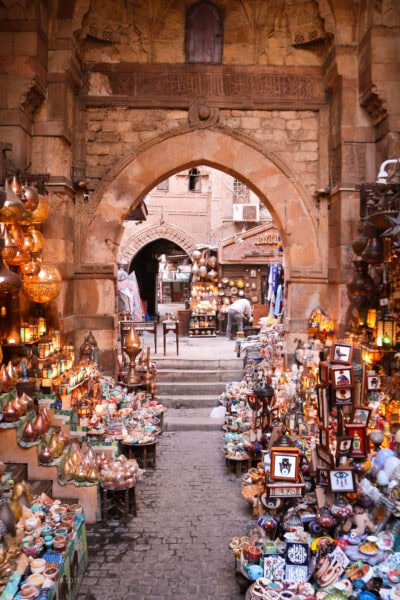
Third, the tourism economy is powerful around major attractions. Anywhere with famous ancient sites tends to attract a dense mix of genuine hospitality, aggressive selling, opportunistic scams, and constant upselling. This is not unique to Egypt, but in Egypt the contrast can feel sharper because the landmarks are so globally famous and the tourist infrastructure around them can be very persistent.
Fourth, solo female travelers may experience a level of visibility that feels unfamiliar. That does not mean every interaction is threatening. Many are simply curious, awkward, performative, or transactional. But repeated attention can still become tiring. The emotional impact is real even when each individual moment seems minor on paper.
The fix is not to cancel the trip. The fix is to design the trip around your energy. Leave buffer time. Use guided visits for high-friction attractions. Build rest into your schedule. Choose accommodation that reduces transport headaches. Accept that some destinations are better experienced with structure than with total spontaneity.
3. What to Wear in Egypt as a Solo Female Traveler
Clothing in Egypt is not just about fashion. It is about comfort, heat, practicality, local norms, and your own stress level. In many parts of Egypt, dressing more modestly tends to make travel easier. It does not guarantee that nobody will look at you or approach you, but it can reduce unwanted attention and help you feel more comfortable in public spaces.
The easiest strategy is to pack breathable clothes that cover more rather than less. Think lightweight maxi dresses, loose trousers, linen pants, midi skirts, breathable long-sleeved shirts, oversized blouses, and light layers that can be added or removed depending on location. A scarf is one of the most useful items you can bring. It can help with sun, dust, mosque visits, unexpected modesty needs, or just feeling more covered in a situation that suddenly feels too exposed.
In cities and at cultural sites, very revealing outfits are usually not the smartest choice. Short shorts, tiny strappy tops, or anything that feels more beach-club than travel-day practical may draw more attention than you want. At beach resorts like Sharm el Sheikh or Hurghada, the atmosphere is generally more relaxed, and swimwear is normal within resort settings. The shift usually happens once you leave the resort bubble and move through regular public areas.
Footwear matters just as much as clothing. Ancient sites often mean uneven paths, stone surfaces, sand, dust, and more walking than expected. Closed shoes or supportive trainers are often a better choice than flimsy sandals for full sightseeing days. Even if sandals look more “vacation ready,” comfort becomes far more important after a few hours under the sun.
A practical Egypt wardrobe does not need to be boring. It just needs to be thoughtful. The sweet spot is clothing that feels cool, breathable, respectful, easy to layer, and realistic for long days. Pack for movement, not just for photos.
A good formula for many travelers looks like this:
- 2 to 3 loose dresses or maxi dresses
- 2 pairs of lightweight trousers
- 3 to 4 breathable tops with shoulder coverage
- 1 light cardigan or overshirt
- 1 large scarf
- 1 pair of comfortable walking shoes
- 1 pair of sandals for easy days or resort time
- 1 modest outfit specifically for mosques and conservative areas
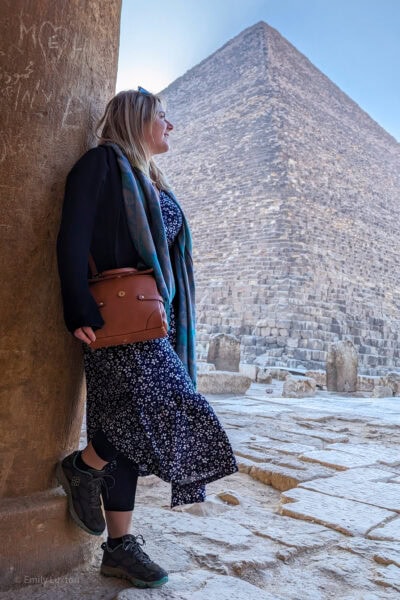
4. Best Places to Visit Alone in Egypt
Not every destination in Egypt feels the same. Some places are better for history overload, some for a slower pace, some for underwater activities, and some for easing yourself into the country. Choosing the right mix can shape your whole trip.
Cairo
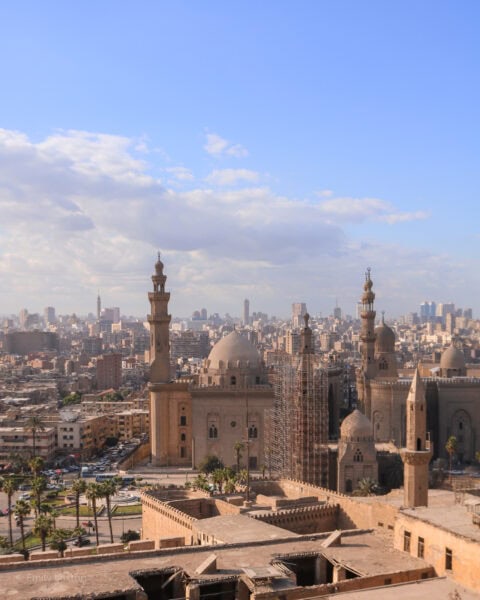
Cairo is chaotic, iconic, and overwhelming. It delivers some of Egypt’s greatest rewards and some of its greatest stress. If you want the Pyramids of Giza, museums, Islamic Cairo, historic mosques, and the sheer energy of the capital, Cairo is essential. But it is usually best enjoyed with structure. Plan your days carefully, use ride apps, and do not expect a calm city break. Cairo works best when you respect its pace rather than fight it.
Luxor
Luxor is one of the most rewarding destinations for travelers interested in ancient Egypt. The concentration of temples, tombs, and archaeological sites is extraordinary. Many solo travelers find Luxor easier than Cairo because the purpose of the visit is clearer and sightseeing logistics are more straightforward once arranged. A good guide here can genuinely elevate the experience.
Aswan
Aswan often feels calmer and softer than Cairo. The Nile setting, slower atmosphere, and beautiful light make it appealing for travelers who want Egypt to feel a little less relentless. It can be a good place to breathe, reflect, and appreciate scenery as much as monuments.
Sharm el Sheikh or Hurghada
If you want a softer landing in Egypt or need a decompression segment after heavy sightseeing, Red Sea resorts can provide that contrast. These areas are often easier for solo women who want beach time, snorkeling, diving, spa breaks, or simply a calmer base. Resort environments are not the same as city environments, so they can feel more relaxed.
Alexandria
Alexandria offers a different mood from the desert-and-monuments image many people associate with Egypt. If you enjoy coastal atmosphere, history, architecture, and city wandering with a more Mediterranean feel, it can make a strong addition to a longer itinerary.
For first-time solo female travelers, the most manageable combination is often Cairo plus Luxor plus one calmer destination. That gives you iconic history, real variety, and enough breathing room to prevent burnout.
5. Where to Stay and What Areas to Choose
In Egypt, your accommodation choice affects far more than sleep quality. It affects your confidence, your transport costs, your stress level after dark, and how easily you can recover between sightseeing days. This is not a destination where it always makes sense to chase the absolute cheapest room.
Prioritize places with strong recent reviews, clear mention of female travelers or solo travelers feeling comfortable, reliable staff communication, and an easy arrival process. If the check-in feels confusing before you even arrive, that is not a great sign. A hotel or guesthouse that responds clearly and helps with airport transfer advice can save you a surprising amount of mental energy.
If you are choosing between a cheaper place in an inconvenient area and a slightly more expensive place in a practical area, the better location is often the smarter deal. Saving a little money on a room can cost you more later in rides, stress, time, and bad decisions made while tired.
For Cairo, many travelers prefer staying in central, well-connected areas rather than sleeping right in Giza unless their priority is a short pyramid visit and nothing else. Giza may seem convenient on paper because of the pyramids, but many travelers find it less enjoyable as a main base. Cairo’s rhythm is already demanding enough; choosing an area that simplifies movement can make the entire trip smoother.
For Luxor or Aswan, proximity to the river, major attractions, and organized transport options matters. For resort areas, choose properties with clear security, strong reviews, and transparent excursion partnerships instead of buying random day trips from whoever approaches you first.
| What to Prioritize | Why It Matters |
|---|---|
| Recent reviews | Shows whether service quality is still consistent |
| Easy location | Reduces transport hassle and late-night stress |
| Reliable staff communication | Helps with airport arrival, local advice, and problem-solving |
| Female-friendly feel | Makes it easier to relax and return after long days |
| Breakfast and bottled water access | Small convenience, big effect on energy and daily flow |
6. Getting Around Safely
Transport decisions can either calm your Egypt trip down or make it much harder. For many solo female travelers, ride apps are one of the easiest ways to reduce uncertainty, especially after dark. When you know the route, price, and driver details in advance, one whole layer of negotiation disappears.
For airport arrivals, it is often worth arranging a transfer through your accommodation or using a trusted app if available and practical. The moment you land is usually not the best moment to test your bargaining skills, especially if you are tired, carrying luggage, and still adjusting to the environment.
For intercity travel, decide early how much independence you really want. Some travelers love trains and domestic flights. Others prefer private transfers between major stops. There is no universal best choice. The right answer depends on your budget, your tolerance for schedule changes, and how much energy you want to spend on logistics. In Egypt, convenience is sometimes worth paying for.
If you are doing a full sightseeing day to places like the pyramids, Saqqara, Dahshur, or the Valley of the Kings, a vetted driver or organized tour can be a smarter experience than trying to improvise everything. You will often see more, lose less time, and feel less mentally depleted.
A simple solo-travel transport rule in Egypt is this: use the independent option when it truly feels easy, and use the structured option when independence starts costing too much energy.
7. Common Mistakes to Avoid
The most common Egypt mistake is planning the trip like a relaxed city holiday. Egypt is usually better when you treat it like an active travel destination rather than a passive one. It asks more of you. If you expect effortless wandering all day, your frustration may grow faster than your enjoyment.
Another mistake is trying to do too much too quickly. A packed itinerary sounds efficient, but Egypt can be physically tiring. Heat, crowds, long drives, early starts, and constant sensory input add up. Leave buffer time. Give yourself slower mornings when possible. Build one light day after one heavy day.
Another major mistake is being too polite to persistent sellers, random helpers, or strangers who create social pressure. In some destinations, politeness de-escalates. In others, it invites a longer interaction. In Egypt, a firm boundary is often kinder to yourself than a soft maybe.
Here are some other mistakes worth avoiding:
- Arriving without mobile data and assuming airport Wi-Fi will save you
- Relying on flimsy sandals for full monument days
- Booking the cheapest accommodation without checking location carefully
- Walking alone late at night just because the map says it is close
- Accepting unsolicited “help” without clarifying the cost or intention
- Posting your live location in real time
- Underestimating how much water, sunscreen, and rest you will need
- Trying to bargain or negotiate when you are already tired and annoyed
Good Egypt travel is often less about heroic independence and more about reducing predictable friction before it drains you.
8. Smart Travel Planning Tips Before You Go
The best Egypt trips usually begin before the flight. Good planning does not remove all unpredictability, but it dramatically improves how well you handle it. Start by deciding what kind of Egypt trip you want. Do you want a history-heavy route? A resort-plus-culture balance? A slower luxury trip? A budget-focused itinerary with a few guided splurges? Being honest here matters, because Egypt can feel very different depending on your travel style.
Next, build your trip around anchor points rather than trying to script every hour. Your anchors might be your arrival city, your must-see sites, your Nile segment, and your rest days. Once those are fixed, you can fill in details without creating a suffocating schedule.
A strong pre-trip checklist for Egypt includes:
- Check visa and entry requirements early
- Buy travel insurance
- Save accommodation addresses offline
- Install a reliable ride app and maps before flying
- Arrange eSIM or know where to get a local SIM
- Book your first nights and first airport arrival plan
- Research dress expectations for your route
- Have one backup bank card and small emergency cash
- Book key tours with verified reviews, not random street offers
One of the best planning decisions you can make is to identify your non-negotiables and your flexible zones. Your non-negotiables are things you do not want to gamble with, like your airport arrival, your first accommodation, your internal transport on an important day, and major bucket-list sites. Your flexible zones are where you can still leave room for spontaneity, like café stops, neighborhood walks, extra museum time, or optional activities.
This way, the trip feels secure without feeling rigid.
9. Sample 7-Day Egypt Itinerary for Solo Female Travelers
If this is your first time in Egypt and you want a manageable introduction without rushing too much, seven days can work well if you focus on quality over quantity.
Day 1: Arrive in Cairo
Keep this day light. Check in, rest, buy water, get connected, and eat somewhere easy. Do not schedule anything ambitious unless your flight lands early and you feel genuinely fresh.
Day 2: Pyramids of Giza and Saqqara
Book a reputable day tour or private guide-driver combination. The pyramids are iconic, but the area can also be high-friction for first-time visitors. Structure helps. If energy allows, add Saqqara.
Day 3: Museum and Islamic Cairo
Balance your day between history and atmosphere. Start with a museum, then move into a more guided or purposeful exploration of old areas rather than aimless wandering for hours.
Day 4: Travel to Luxor
Use this as a transition day. Keep the evening relaxed. Stay somewhere comfortable and prepare for a very full sightseeing day ahead.
Day 5: Valley of the Kings, Hatshepsut, and Temple Visits
Start early to beat heat and crowds. A guide can add context that turns old stones into a real story rather than a blur of names and dates.
Day 6: Karnak and Luxor Temple
Give yourself time. These sites reward slower attention. Use the evening for a calm dinner and rest instead of trying to squeeze in too much more.
Day 7: Return or extend
Fly home, return to Cairo, or continue to a calmer destination like Aswan or a Red Sea resort if you have more time.
10. Sample 10-Day Egypt Itinerary for a Better Balance
Ten days gives you more breathing room and is often the better length if you do not want your Egypt trip to feel like a race.
- Days 1–3: Cairo, pyramids, museum, old city highlights
- Day 4: Travel to Luxor
- Days 5–6: West Bank and East Bank sightseeing
- Day 7: Travel to Aswan or take a slower scenic day
- Day 8: Aswan highlights and Nile atmosphere
- Days 9–10: Red Sea resort time or return to Cairo for final night
This kind of route works well because it mixes intensity with recovery. Too many travelers build an Egypt trip with nonstop monument-chasing, then wonder why they feel exhausted by the middle. A better trip is one that leaves space for the country to feel impressive instead of punishing.
11. Scams, Hassle, and Unwanted Attention
Let us talk honestly about the part many solo female travelers worry about most. In Egypt, hassle often shows up as persistence. A vendor keeps talking after you say no. Someone insists on helping you. Someone claims a site is closed and offers an alternative. Someone acts friendly, then expects payment. A “small favor” turns into a tip request. These are classic patterns in many major tourist destinations, but in Egypt they can feel more relentless around certain famous sites.
The best response is usually brief, firm, and emotionally detached. Do not get drawn into long explanations. Do not smile just to soften the interaction if that encourages it to continue. Do not keep talking because you are worried about seeming rude. In many cases, the fastest exit is a short no and forward movement.
Unwanted attention from men can also happen. Sometimes it is verbal, sometimes performative, sometimes annoying rather than dangerous, but even lighthearted behavior can become exhausting when repeated all day. The practical response is not to internalize every moment emotionally. Move with purpose, avoid solo nightlife wandering, use transport directly from place to place after dark, and do not agree to social invitations from strangers out of politeness.
Here are the smartest anti-hassle rules for solo women in Egypt:
- Keep conversations with strangers short if you are uncomfortable
- Do not assume “free help” is actually free
- Use guides and tours for places known for heavy vendor pressure
- Do not share your room number publicly
- Wait indoors for rides after dark when possible
- Do not meet random social media contacts in person
- Post stories and photos later, not live
- Trust your discomfort early instead of explaining it away
A lot of travel wisdom comes down to this: do not give a small red flag time to grow into a larger problem.
12. Health, Hygiene, Money, and Connectivity
Health and comfort in Egypt often come down to basics. Hydration matters. Heat management matters. Food choices matter. Rest matters. A lot of sightseeing discomfort is not “part of the experience.” It is actually dehydration, skipped meals, sun exposure, and overpacked schedules.
Drink enough water. Carry tissues. Keep basic medicine with you. Use sunscreen aggressively. Do not assume you will “just buy what you need later” when you are already tired and far from your hotel. Build a small day bag with your core essentials and treat it as part of your safety setup, not just convenience.
Connectivity is another major quality-of-life issue. Having a local SIM or eSIM can make Egypt dramatically easier because it helps with maps, ride booking, communication, and last-minute problem-solving. Offline access is still useful, but mobile data reduces a lot of avoidable friction.
Money should be split. Keep everyday spending cash accessible, but not all in one place. Have one backup card stored separately. Know what your plan is if one card gets blocked or one wallet compartment disappears. This kind of backup thinking sounds boring, but boring preparations are often what protect great trips.
It is also wise to save important emergency numbers in your phone and write them somewhere offline. A calm traveler is not someone who expects nothing to go wrong. A calm traveler is someone who knows what to do if something does.
| Essential | Why to Have It |
|---|---|
| Local SIM or eSIM | Maps, rides, translations, messaging, flexibility |
| Travel insurance | Helps with medical issues, delays, and trip disruptions |
| Backup card and spare cash | Protects you if one payment method fails |
| Sun protection | Long outdoor days can be more intense than expected |
| Saved emergency numbers | Fast access matters during stressful moments |
Keep these emergency numbers saved in your phone:
- Tourist Police: 126
- Police: 122
- Ambulance: 123
13. Experience-Based Advice for First-Timers
Here is the advice that often matters most but appears least in glossy destination roundups: do not judge the whole trip by your hardest hour. Egypt has a way of giving you an exhausting moment and a magical moment very close together. A difficult transfer, an annoying vendor interaction, or one overwhelming street does not define the country.
Another important mindset shift: being strategic is not the opposite of being adventurous. Booking a guide for the pyramids does not make your trip less real. Choosing Uber after dark does not make you less independent. Staying somewhere more comfortable does not make you a weaker traveler. These choices often make the experience richer because they preserve your energy for the parts that truly matter.
If you are nervous about going fully solo, there are several smart middle paths. You can do Egypt independently but add day tours for high-friction sites. You can book your first few days with more structure, then become more flexible once you feel oriented. You can start with a resort or calmer city before tackling Cairo. You can also split the trip so that not every day asks the same level of confidence from you.
One of the best things you can do is create a daily rhythm that supports you:
- Start early for major sites
- Take a real midday break when heat and fatigue rise
- Return before exhaustion turns into bad decision-making
- Use evenings for dinner, reflection, and reset instead of forcing more sightseeing
This rhythm may sound simple, but it changes the entire feel of the trip. Egypt becomes much more enjoyable when you stop trying to wring every possible activity out of each day.
Another experience-based truth: your confidence may come in waves. You might feel strong one day and unsure the next. That is normal. Solo travel is not a constant state of empowerment. Sometimes it is logistics, heat, hunger, and uncertainty. The win is not feeling fearless every minute. The win is knowing how to keep moving wisely even when you do not feel at your best.
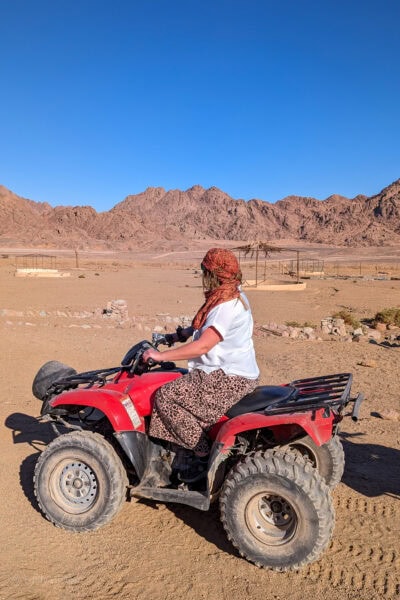
14. Final Thoughts
So, is Egypt worth it for solo female travelers? For many women, absolutely yes. The history is staggering. The feeling of seeing the pyramids, temples, tombs, desert landscapes, and Nile scenery in real life can be unforgettable in a way that very few destinations manage. Egypt is not just another pretty trip. It is often a trip people remember viscerally.
But it is worth it most when you approach it honestly. Egypt is not a destination to underestimate. It asks for preparation, boundaries, flexible expectations, and a willingness to travel smart instead of travel stubborn. That does not make it a bad solo destination. It makes it a destination where strategy matters more.
If you want the best version of solo travel in Egypt, do this: plan well, move with purpose, protect your energy, dress practically, use reputable transport and tours, stay connected, and stop confusing discomfort with authenticity. You can have a real, meaningful, exciting Egypt experience without making life harder than it needs to be.
The strongest solo travelers are not the ones who ignore context. They are the ones who respect it and still go.
Read Also: Ultimate Backpacking Packing List (2026 Guide) – Smart, Minimal & Travel-Proven Essentials
15. FAQs
Is Egypt good for first-time solo female travelers?
It can be, but it is usually better for first-time solo travelers who are open to using structure where needed. If you are completely new to solo travel, Egypt may feel easier if you combine independent travel with well-reviewed tours and carefully chosen accommodation.
Should I visit Egypt completely independently or book tours?
A hybrid approach is often best. Independent travel works for many parts of the trip, but guided visits can improve high-friction sites and reduce stress around transport, timing, and hassle.
What should I wear in Egypt?
Lightweight, breathable, modest clothing usually works best. Loose trousers, longer dresses, tops with shoulder coverage, a scarf, and comfortable walking shoes are practical choices for many situations.
Is Cairo too overwhelming for solo female travelers?
Cairo can feel intense, especially at first, but it is manageable with planning. Good accommodation, ride apps, early starts, and purposeful daily structure make a big difference.
What is the best Egypt route for a solo woman?
A strong first route is Cairo plus Luxor plus either Aswan or a Red Sea destination. This mix gives you iconic history and a calmer contrast without trying to do everything at once.
How do I reduce hassle while traveling alone in Egypt?
Keep boundaries firm, use reputable tours, avoid unnecessary late-night wandering, stay connected with mobile data, and do not confuse politeness with safety. A short clear no is often more effective than a long explanation.


