.png)

Things to Do in Luxembourg in 2026: A Complete Travel Guide to Europe’s Tiny but Beautiful Gem
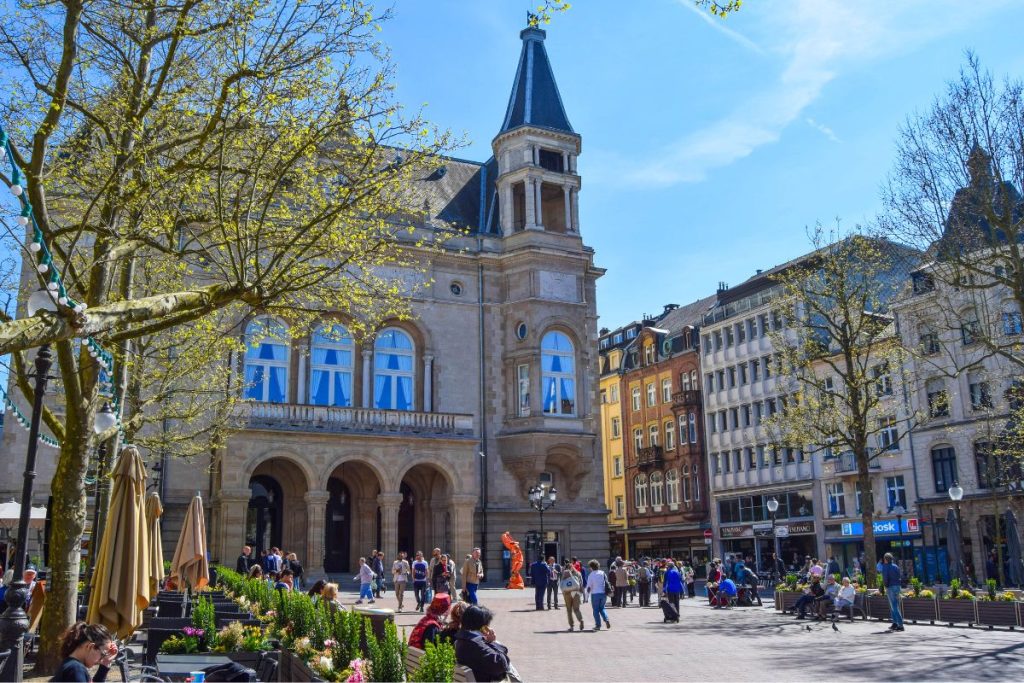
Table of Contents
- Why Visit Luxembourg in 2026
- What Makes Luxembourg Special
- 1. Walk the Old Town
- 2. Stroll the Chemin de la Corniche
- 3. Explore the Bock Casemates
- 4. Visit the Grand Ducal Palace
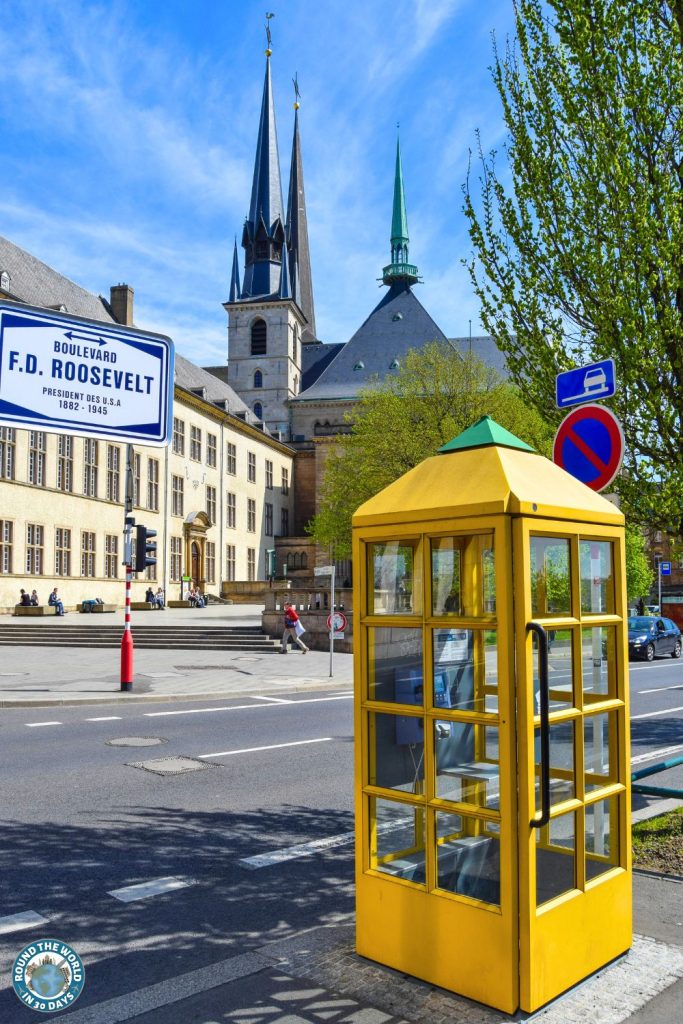
- 5. See Notre-Dame Cathedral
- 6. Spend Time in the Grund
- 7. Enjoy Luxembourg’s Scenic Viewpoints
- Mistakes to Avoid
- Travel Planning Tips
- Suggested Itinerary
- Budget Advice
- Experience-Based Advice
- Final Thoughts
Some destinations win you over immediately with size, noise, and obvious spectacle. Luxembourg does something different. It does not try too hard. It does not overwhelm you with endless attractions or pressure you to sprint through a huge capital just to feel like you saw enough. Instead, it rewards attention. The more carefully you walk through it, the more it reveals why this tiny country quietly earns a place on so many memorable Europe itineraries.
At first glance, Luxembourg can seem like one of those places people visit only because it fits neatly between larger countries. It is often added between France, Belgium, and Germany, and because of that, some travelers underestimate it before they even arrive. But that is exactly the wrong way to approach this destination. Luxembourg is not merely convenient. It is genuinely beautiful, historically layered, easy to navigate, and full of those travel moments that feel polished yet personal.
What makes it stand out is not one giant landmark alone. It is the total experience. You have dramatic views over valleys and fortifications, a graceful old town, fascinating underground military tunnels, elegant civic spaces, and a capital city that feels compact without ever feeling small. Luxembourg City has a kind of quiet confidence. It does not need to shout. It already knows it is one of the most charming urban stops in Europe.
That is why this guide matters. If you are planning a trip and wondering whether Luxembourg is worth your time, the answer is yes. Not because it is famous for being tiny, and not just because it is easy to add to a route, but because it offers a smart, satisfying, and visually rich travel experience that works for first-time visitors, couples, solo travelers, and even people who are already well-traveled in Europe.
Why Visit Luxembourg in 2026
Travel in 2026 is increasingly about smarter choices, not only bigger bucket lists. Travelers want destinations that feel rewarding without being exhausting. They want cities that are photogenic without being chaotic, walkable without being repetitive, and historic without feeling dusty or overexplained. Luxembourg fits that mood extremely well.
It is one of those rare places where practical and beautiful meet in a very balanced way. The country is manageable. The capital is easy to explore. The views are memorable. Public transport and city movement feel simple. And because Luxembourg is smaller than many other European destinations, you often spend less time trying to figure things out and more time actually enjoying where you are.
There is also something refreshing about the scale. In larger capitals, you can spend half your energy on logistics alone. In Luxembourg, much of the experience is accessible without that kind of mental drain. You can admire architecture, history, green spaces, and major sights without turning every day into a marathon. That makes it especially attractive for people who want a high-quality trip with less friction.
Why Luxembourg works so well for modern travelers
- It is easy to explore without wasting days on transit.
- It feels elegant and organized without being cold.
- It has real historical depth, not just surface-level prettiness.
- It gives you scenic drama in a compact setting.
- It pairs well with nearby countries for a multi-stop Europe trip.
What Makes Luxembourg Special
Luxembourg’s beauty is not flat. That is one of the first things you notice once you start walking the city. This is not just another tidy European capital with a pleasant square and a few old buildings. The landscape itself shapes the experience. The city rises above deep valleys. Historic districts sit at different levels. Fortifications and cliffs add drama to ordinary walks. Bridges connect different moods of the city. The result is a place that feels layered in both a physical and historical sense.
It also helps that Luxembourg carries a certain identity that sets it apart. As the world’s only remaining grand duchy, it has a distinctive political story. That royal dimension gives landmarks like the Grand Ducal Palace extra interest, but the appeal of the city goes beyond titles and institutions. The streets feel calm but not dull. The architecture feels polished but not sterile. Even short walks can shift between old stone, modern civic spaces, greenery, and elevated viewpoints.
For travelers who appreciate destinations that feel stable, refined, and visually rich, Luxembourg has a lot going for it. And for people who are tired of overcrowded “must-see” capitals, this city can feel like a breath of fresh air. It is not empty, but it is not constantly trying to overpower you either. That balance is part of what makes the experience memorable.
1. Walk the Old Town
If you only do one thing in Luxembourg, make sure you walk the Old Town properly. Not rushed, not only for photos, and not as a quick transfer between attractions. The Old Town is where the city begins to feel like itself. It is where you notice the textures of Luxembourg rather than only its landmarks. Streets feel elegant but lived-in. Architectural details start revealing the city’s long story. Shops, cafés, public squares, and quiet corners combine in a way that makes wandering feel rewarding on its own.
One of the best things about walking here is how naturally the pace of the city encourages you to slow down. This is not a place that demands aggressive sightseeing. It invites you to notice. That means looking up at façades, stepping into side streets, observing how the historic center transitions into viewpoints and open space, and allowing yourself to spend more time than expected on streets that were not even on your list.
The Old Town is also where Luxembourg’s scale becomes an advantage. In many famous cities, the historic center can feel buried under crowds or stretched so far that it becomes tiring. Luxembourg’s old core feels more manageable. You can cover a lot on foot without feeling like you are only skimming the surface. That makes the experience especially pleasant for travelers who prefer quality over exhaustion.
If you enjoy destinations where walking is not just transportation but part of the attraction itself, Luxembourg’s Old Town will probably be one of your favorite parts of the visit.
2. Stroll the Chemin de la Corniche

The Chemin de la Corniche is often described as one of Europe’s most beautiful promenades, and once you get there, it is easy to understand why. The view is not merely “nice.” It gives you the structure of Luxembourg at a glance. From here, you start to understand how the city is built across levels, cliffs, and valleys. The visual relationship between upper and lower Luxembourg becomes clear, and the whole destination suddenly feels more dramatic.
This is one of those places where even travelers who are not normally obsessed with viewpoints end up lingering longer than planned. The walk itself is pleasant, but the payoff is really the atmosphere. You are not just staring at a skyline. You are looking into a layered city shaped by geography and history in equal measure.
It is also a reminder that Luxembourg is strongest when experienced on foot. The views matter more because you have walked enough of the city to feel the contrast. You see where you have been, where you might go next, and how the city hangs together. That turns a simple scenic walk into one of the most useful and memorable parts of the day.
Go in good light if possible. Morning gives calm. Late afternoon gives warmth. And on clear days, the visual depth is especially rewarding. If you are someone who likes photography, this is easily one of the top places in the city to capture Luxembourg’s unique character without forcing the shot.
Practical tip
Do not rush this promenade as a quick stop. Let it connect your day. It works best when used as a transition between the Old Town, fortifications, and the lower city rather than as an isolated viewpoint stop.
3. Explore the Bock Casemates
The Bock Casemates are one of the most interesting reasons Luxembourg feels deeper than many travelers expect. From above, the city is elegant and scenic. Below, there is another story entirely. These underground tunnels and defensive passages are not just a quirky attraction. They are a reminder that Luxembourg once played a major strategic role in Europe and that much of its identity was shaped by defense, geography, and political importance.
Visiting the casemates changes the tone of the trip in a good way. Until that point, you may be focused mostly on city views, architecture, and pleasant walking. Then suddenly you enter a space that feels colder, older, and more tactical. It adds weight. You begin to understand that Luxembourg is not simply pretty. It has substance built into the rock.
For history-minded travelers, this is one of the essential stops. But even if you are not a museum-heavy traveler, the casemates are still worthwhile because they give physical context to the city above. They help explain why Luxembourg developed the way it did. They make the fortifications feel real instead of decorative.
It is also one of those attractions that rewards imagination. Try not to move through it only as a checklist site. Think about what it meant to build and maintain such spaces. Think about how many eras passed through these tunnels. Think about what the city outside looked like in the periods when these defenses mattered most. That mindset makes the visit much more memorable.
Who will enjoy this most?
Travelers who enjoy layered city histories, military architecture, unusual underground sites, and destinations that reveal a different side once you step beneath the surface.
4. Visit the Grand Ducal Palace

The Grand Ducal Palace is one of Luxembourg’s clearest symbols of national identity. Even if you do not enter, seeing it in person adds context to the city. This is not just another formal building in a European capital. It reflects Luxembourg’s distinct position as a grand duchy and adds a ceremonial, royal thread to the city’s personality.
The palace works best when seen as part of the surrounding city rather than as a standalone monument to be checked quickly. Walk the nearby streets. Notice how the scale of the area remains human despite the building’s significance. Luxembourg is very good at that. Important institutions do not feel detached from everyday urban life. They are integrated into it in a way that feels elegant rather than intimidating.
When palace tours are available in the right season, they can be worth considering, especially if you are interested in European political traditions and royal residences. But even from the outside, the palace matters because it reinforces what makes Luxembourg unusual. It is a country with outsized historical and political character relative to its size.
Travelers who like capitals with identity markers beyond the standard cathedral-museum-square formula will appreciate this stop. It is not always the most dramatic part of the day, but it helps the city feel more complete.
5. See Notre-Dame Cathedral

Notre-Dame Cathedral is one of those places that quietly resets your pace. In a city where so much of the appeal comes from walking and viewpoints, stepping inside a cathedral creates a different kind of pause. The experience becomes more inward. You stop scanning the skyline and start noticing detail, silence, structure, and atmosphere.
This cathedral matters not only because it is one of the city’s important landmarks, but because it adds emotional contrast to the itinerary. A good city day needs variation. If everything is just scenic walking and exterior photos, the memory can flatten. Entering a religious space changes the rhythm. It gives you a chance to sit, reflect, and let the trip breathe a little.
Architecturally, the cathedral contributes to Luxembourg’s layered identity. It feels historical without being overpowering, and it fits the city’s overall character: refined, balanced, and grounded in tradition. Even travelers who are not deeply interested in church visits often end up appreciating this stop because it is so naturally woven into the center of the city.
Do not treat it as a two-minute look-in unless you truly have no choice. Give it a little time. Notice the interior light, the vaulting, the atmosphere, and the shift in energy from the streets outside. That contrast is part of what makes the city feel complete.
6. Spend Time in the Grund
If the upper city gives you elegance and perspective, the Grund gives you mood. This lower part of Luxembourg feels different in the best way. It softens the city. The atmosphere becomes quieter, more intimate, and more reflective. Instead of looking down at the valley from above, you are now inside it, experiencing the city from a more sheltered and grounded angle.
What makes the Grund so enjoyable is that it feels like a reward for curiosity. Travelers who only stay in the upper city may already like Luxembourg. But those who descend and explore the lower areas often leave feeling they understood the place more deeply. You begin to feel the city in layers rather than just seeing it in postcard form.
This is also where a slower travel style pays off. The Grund is not just about ticking off another district. It is about allowing atmosphere to carry part of the day. Walk along the quieter streets. Appreciate the way the built environment interacts with the valley. Pause by the water or simply enjoy how different the city feels once you leave the more prominent upper areas behind.
For couples, photographers, and travelers who value places with a romantic but not overly staged feel, the Grund is often one of the most memorable parts of Luxembourg. It is not loud. It does not need to be. Its appeal is in how naturally it shifts the emotional tone of the visit.
7. Enjoy Luxembourg’s Scenic Viewpoints and City Balance
One of the best things to do in Luxembourg is also one of the simplest: keep stopping to look. This city rewards observation more than many travelers realize. Viewpoints are not just isolated attractions here. They are part of the whole experience. Bridges, elevated walkways, old fortifications, and open edges all contribute to the visual personality of the city.
This matters because Luxembourg is not a destination where all value comes from entering major attractions. A lot of what makes it memorable is free, walkable, and experiential. The city reveals itself through repeated scenic moments. One view helps you understand the next. One district makes more sense once you have seen it from above. This kind of cumulative beauty is one of Luxembourg’s great strengths.
Some cities impress instantly and then flatten out. Luxembourg often does the opposite. It grows on you through repetition. Another turn, another overlook, another glimpse of fortifications and valleys, another bridge connecting different levels of life. The city becomes more satisfying the longer you stay alert to it.
What to focus on beyond the obvious landmarks
- The contrast between upper and lower Luxembourg.
- The way greenery and stone coexist throughout the city.
- The strong visual role of cliffs, walls, and bridges.
- The calm rhythm of public spaces and walkable streets.
- The overall sense of order that makes the city feel pleasant rather than stressful.
Common Mistakes to Avoid in Luxembourg
1. Treating Luxembourg as only a quick checkbox stop
You can see highlights in a day, but if you reduce the city to a rushed transit stop, you will miss the texture that makes it special.
2. Focusing only on major attractions
Luxembourg’s appeal comes just as much from walking, viewpoints, city layers, and atmosphere as from formal landmarks.
3. Not wearing comfortable walking shoes
The city’s slopes, stairs, and changing levels are part of the beauty, but they are easier to enjoy when you are prepared.
4. Ignoring the lower city
Too many visitors stay mostly in the upper center. Make time for the Grund and other lower sections to feel the full character of the city.
5. Visiting with the wrong expectation
Do not expect nonstop big-city chaos. Luxembourg is better than that. It is calmer, more refined, and meant to be appreciated at a steadier pace.
Travel Planning Tips for Luxembourg
Luxembourg rewards travelers who plan realistically rather than aggressively. The city is small enough to feel manageable, but it is not so tiny that you should cram everything into a chaotic few hours. Give yourself at least one full day if you only want the main city experience. Give yourself two days if you enjoy slower travel, museums, cafés, and more relaxed walking.
Best style of visit
A thoughtful city break works best. Luxembourg is ideal for people who want beauty, order, and a lower-stress pace. It is also excellent as part of a wider route through nearby countries, especially if you want variety between bigger and smaller destinations.
Best time to enjoy the city
Spring and early autumn are especially pleasant because walking conditions are comfortable and the city’s views remain a major strength. Summer can also be lovely, especially if palace tours are available, but the best travel experience still depends more on your pace than the season alone.
How long to stay
- 1 day: Enough for the core city highlights if planned well.
- 2 days: Better for a balanced trip with less rushing and more atmosphere.
- 3 days: Ideal if you want a slower city break or broader exploration beyond just the main center.
Suggested Luxembourg Itinerary
One-Day Luxembourg Itinerary
- Start in the Old Town while energy is high and streets feel fresh.
- Walk the Chemin de la Corniche for your first strong overview of the city.
- Visit the Bock Casemates before the day gets too crowded or tiring.
- Have lunch nearby and keep the afternoon flexible.
- See the Grand Ducal Palace and Notre-Dame Cathedral.
- Spend late afternoon in the Grund or at another lower-city viewpoint.
- End with a relaxed walk and evening photos from an elevated point.
Two-Day Luxembourg Itinerary
Use the first day for the core highlights above. Use the second day to revisit favorite viewpoints in different light, explore more slowly, enjoy cafés, and let the city settle into memory instead of consuming it too quickly. Luxembourg is one of those places where a second pass often feels even better than the first.
Travel strategy that works well
Do the most structural sights first, like the Old Town, Corniche, and Bock Casemates. Then let the second half of the trip become more atmospheric. Luxembourg is strongest when you move from “understanding the city” to simply enjoying it.
Budget Advice for Visiting Luxembourg
Luxembourg has a reputation for being expensive, and compared with some destinations, that concern is understandable. But the city can still be enjoyed intelligently without turning the trip into a financial mistake. The key is knowing where the value is. A lot of what makes Luxembourg memorable is not about luxury spending. It is about walking, viewpoints, atmosphere, and city structure.
You do not need to fill the day with expensive attractions. Choose one or two paid experiences that matter most to you, then build the rest of the trip around the city itself. That approach not only saves money, it often produces a better experience anyway.
Simple ways to keep your costs sensible
- Prioritize scenic walks and public spaces, which are part of Luxembourg’s main appeal.
- Avoid overbooking paid attractions just because you feel you “should.”
- Stay organized with food stops so you are not paying premium prices in a rushed panic.
- Travel with a clear route to avoid unnecessary backtracking and wasted time.
- Consider visiting as part of a broader itinerary rather than building an overly long stay if budget is tight.
One more important point: value is not always about spending less. Sometimes value is about using your energy better. Luxembourg is a good destination for travelers who want a city that feels refined without demanding constant spending just to remain interesting.
Experience-Based Advice: How to Enjoy Luxembourg Like a Real Traveler
The difference between merely visiting Luxembourg and genuinely enjoying it often comes down to mindset. If you arrive expecting nonstop blockbuster attractions, you may miss what the city is actually good at. Luxembourg is about elegance, layers, and rhythm. It is a city you understand by moving through it, not only by collecting entry tickets.
The best advice is to let Luxembourg be what it is. Do not force it to compete with Paris, Rome, or London. That comparison misses the point. Luxembourg succeeds because it offers a different kind of travel pleasure. It is more composed. More navigable. More spatially interesting than many travelers expect. It feels high quality rather than high intensity.
One of the smartest ways to enjoy the city is to build pauses into the day. Sit at a square. Stop at a lookout. Walk slowly through the Old Town without always checking your phone. Look back after descending into the lower city. Give the city time to reveal itself through contrast. Those are the moments when Luxembourg stops feeling like a “small country capital” and starts feeling like a place you will remember properly.
Another good habit is to notice transitions. Upper city to lower city. Historic streets to modern order. Formal institutions to green open views. Luxembourg’s identity is built in those shifts. The more you notice them, the richer the trip becomes.
Questions to ask yourself while exploring Luxembourg
- What part of this city feels most different from the last one I visited?
- What changes when I stop rushing and just observe?
- How does the geography shape the mood of each district?
- What do I appreciate here that I usually miss in bigger capitals?
These questions sound simple, but they help transform a technically nice visit into a truly satisfying one. Luxembourg is not a place that needs exaggeration. It only needs attention.
Final Thoughts
Luxembourg Proves That Small Destinations Can Feel Rich
Luxembourg is one of the best examples of why travel quality has very little to do with country size. It offers history, beauty, walkability, and perspective in a compact format that feels efficient without ever becoming shallow. You can walk a beautiful old town, stand above dramatic valleys, explore underground fortifications, appreciate royal symbolism, enter a cathedral, and spend quiet time in lower districts that completely change the mood of the city.
That combination is rare. Plenty of destinations are scenic. Plenty are historic. Plenty are easy. Luxembourg manages to feel all of those things at once, and that is why it leaves such a strong impression on travelers who approach it properly.
If you are building a Europe itinerary in 2026 and want a destination that feels polished, memorable, and refreshingly manageable, Luxembourg deserves a serious place on your list. It may be one of Europe’s smallest countries, but in real travel value, it performs far bigger than many people expect.
And once you walk its old streets, pause at its overlooks, and start seeing the city in layers, you will probably understand why Luxembourg is not just worth adding to a trip. It is worth slowing down for.
.png)
.png)


